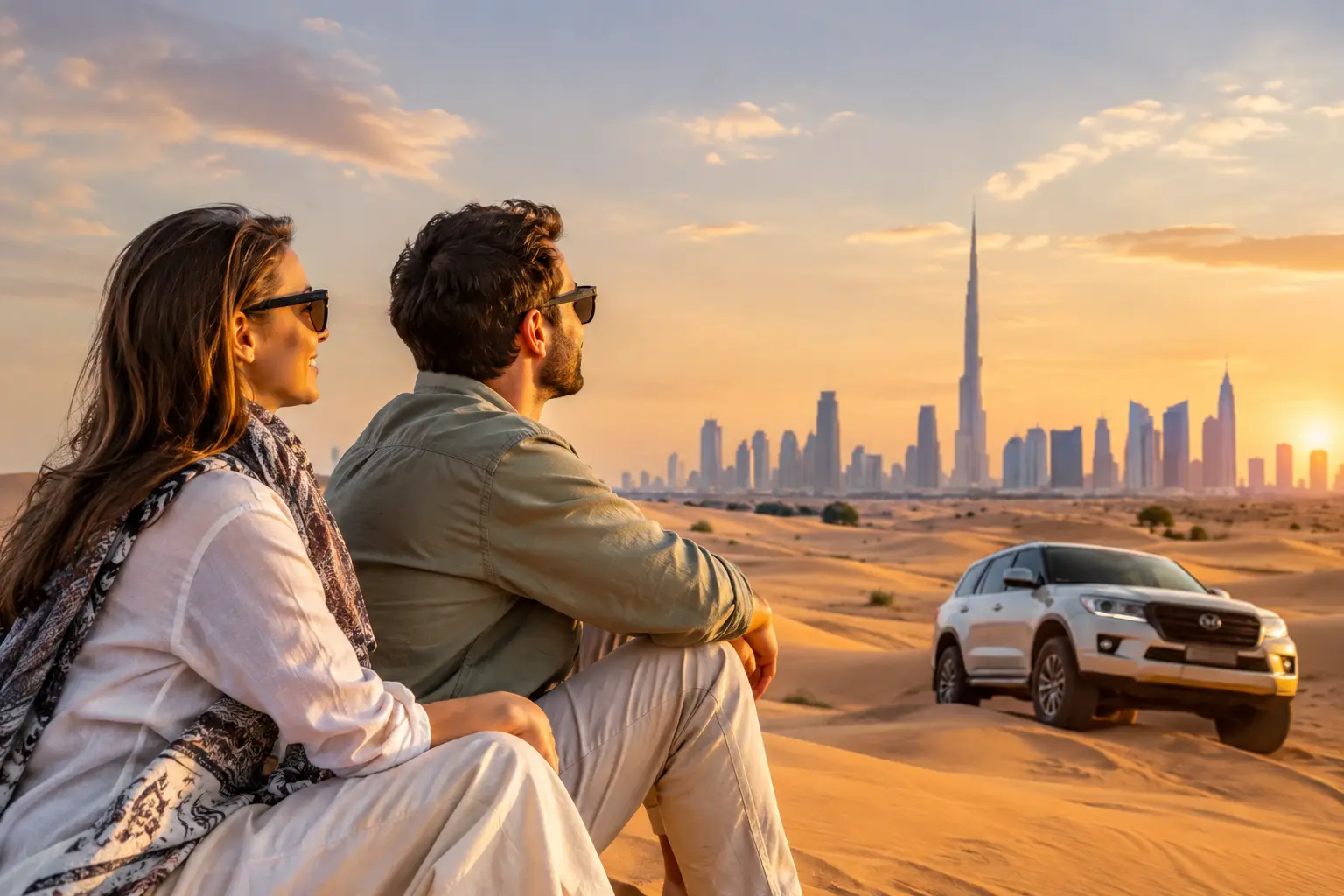
The desert may look close from Dubai’s skyline, but a great safari is not simply a drive into the dunes. Pickup timing, the pace of dune driving, the camp atmosphere, and even the clothes you wear can shape the entire experience. Knowing how to plan desert safari activities around your group’s comfort, interests, and schedule turns a popular outing into a memorable desert journey.
A well-organized safari should feel exciting without feeling rushed. Whether you are arranging a sunset experience for two, a family day out, or a team activity for colleagues, begin with the kind of desert memory you want to create, then build the practical details around it.
How to Plan Desert Safari Experiences That Suit Your Group
Start by deciding who is traveling and what they will enjoy. Desert safaris can be adapted for couples seeking a scenic evening, families with young children, visitors celebrating a special occasion, and corporate teams looking for a shared activity outside the office. The right plan is rarely one-size-fits-all.
A shared safari is often a sociable and efficient choice for travelers who enjoy a lively atmosphere and a set itinerary. Private safaris offer more flexibility with pickup times, driving pace, activity choices, and photo stops. They are especially useful for families, guests with limited mobility, small groups, or travelers who value privacy and a more personal schedule.
Be open about comfort requirements before booking. Dune bashing can be thrilling, but it may not suit pregnant travelers, very young children, guests with back or neck concerns, or anyone prone to motion sickness. A calmer desert drive, a private vehicle, or a camp-focused visit can still deliver the beauty of the dunes without making comfort an afterthought.
Choose Morning, Evening, or Overnight Desert Time
The time of day changes the character of a safari. Morning safaris are ideal for travelers with limited time, early risers, and guests who want to enjoy desert activities before the day becomes busier. The light is clear, the temperatures can be more comfortable in cooler months, and the experience usually leaves the afternoon free for city sightseeing, shopping, or rest.
Evening safaris are the classic choice for a reason. They combine dune scenery with the changing colors of sunset and often continue at a desert camp with dining and cultural entertainment. This format works particularly well for first-time Dubai visitors and couples who want a more atmospheric setting. Keep in mind that an evening experience takes more of your day, especially when travel time from your hotel is included.
An overnight safari offers a quieter perspective. After day visitors leave, the desert feels wider, darker, and far more peaceful. This option suits travelers who want stargazing, an unhurried camp experience, and a sunrise view. It also requires more preparation, including warmer layers in cooler months and a clear understanding of the sleeping arrangements and available facilities.
Pick Activities With Purpose, Not Just Variety
A safari itinerary can include dune bashing, sandboarding, camel rides, quad biking in designated areas, falcon encounters, sunset photography, and a camp meal. The best itinerary is not necessarily the one with the longest list of activities. It is the one that allows your group to enjoy the desert without spending the day moving from one queue to the next.
If adventure is the priority, ask how much time is actually allocated for dune driving and whether optional activities are included or arranged separately. If photography is the priority, request an itinerary that allows for a proper sunset stop rather than a brief roadside pause. For families, a balanced program with gentle activities and enough time to relax at camp is often more enjoyable than a tightly packed schedule.
Cultural elements deserve the same consideration. A traditional-style camp setting, local food, live performances, and desert hospitality can add depth to the experience when they are thoughtfully arranged. Confirm what is included in the dining experience, especially if anyone in your party has vegetarian, allergy-related, or other dietary needs.
Confirm the Details That Protect Your Time
The difference between a smooth safari and a frustrating one is often found in the small operational details. Before confirming, check your hotel pickup area, the expected pickup window, the approximate return time, and whether transfers are shared or private. Dubai traffic and hotel access points can affect timing, so it helps to be ready at the agreed location rather than waiting in a distant lobby or outside entrance.
Ask what type of vehicle will be used and whether the operator follows established safety procedures. A properly maintained 4×4, experienced desert driver, seat belts for every guest, and clear guidance before dune driving are essential. If children are traveling, discuss appropriate seating arrangements in advance.
Also clarify what the package includes. Some experiences cover transfers, activities, refreshments, dinner, and camp entertainment, while others are more streamlined. Knowing this before departure prevents awkward surprises and helps you decide what to bring. A specialist can coordinate the moving parts so your hotel, transport, safari timing, and any plans afterward work together instead of competing for the same evening.
Plan Around Dubai’s Seasonal Conditions
Dubai’s desert is welcoming for much of the year, yet comfort varies significantly by season. From roughly late fall through early spring, evenings can become surprisingly cool after sunset. A light jacket or wrap is useful, particularly for overnight stays and open-air camp seating.
During warmer months, prioritize hydration and choose breathable, loose-fitting clothing. Morning or late-afternoon timing is generally more comfortable than spending long periods outdoors in the middle of the day. Sunglasses, sunscreen, and a hat are practical rather than optional, even when the drive itself takes place in an air-conditioned vehicle.
Wind can bring sand into shoes, bags, and cameras. Closed-toe shoes or secure sandals are usually easier to manage than delicate footwear. Avoid bringing valuable items that you would not want exposed to dust, and keep phones and cameras in a small protective pouch when not in use.
What to Wear and Bring for a Desert Safari
Dress for movement, temperature changes, and sand. Lightweight clothing in breathable fabrics is the most dependable choice. Choose layers for evening tours, and bring a light jacket if you tend to feel cold in air-conditioned vehicles or after dark.
Bring only what supports the experience: identification if requested for your booking, your phone or camera, sunscreen, sunglasses, a reusable water bottle if preferred, and any personal medication you may need. Travelers who get motion sickness may want to take their usual precautions before dune driving, after consulting a healthcare professional if necessary.
For photography, clean your camera lens before leaving the hotel and keep a microfiber cloth handy. Desert light can be intense in the afternoon, then beautifully soft near sunset. A guide who understands the route can help you time photo stops, but do not spend the entire experience behind a screen. The quiet moments between activities are often the ones guests remember most.
Make the Safari Part of a Better Dubai Itinerary
A desert safari is more enjoyable when it fits naturally into the rest of your stay. Avoid scheduling it immediately after a late flight, an intensive full-day city tour, or a major business meeting. Give yourself time to return to the hotel, refresh, and prepare for pickup.
For visitors with a short Dubai stay, an evening safari can pair well with a relaxed morning at the hotel or a nearby attraction. For longer trips, place the safari after you have adjusted to the local time and before your final departure day. Corporate groups may benefit from a private arrangement that builds in clear transfer times, group coordination, dietary planning, and a pace suitable for all participants.
Copa Cabana Tourism can coordinate a tailored desert experience alongside hotel transfers, sightseeing, dining, and airport support, helping guests avoid the hassle of managing disconnected bookings. That level of planning matters when a group has different arrival times, preferences, or accessibility considerations.
The desert rewards travelers who leave room for the unexpected: a sky turning copper at sunset, a quiet stretch of dunes beyond the camp lights, or a photo that becomes the favorite memory of the trip. Plan the essentials carefully, then allow the landscape to do the rest.