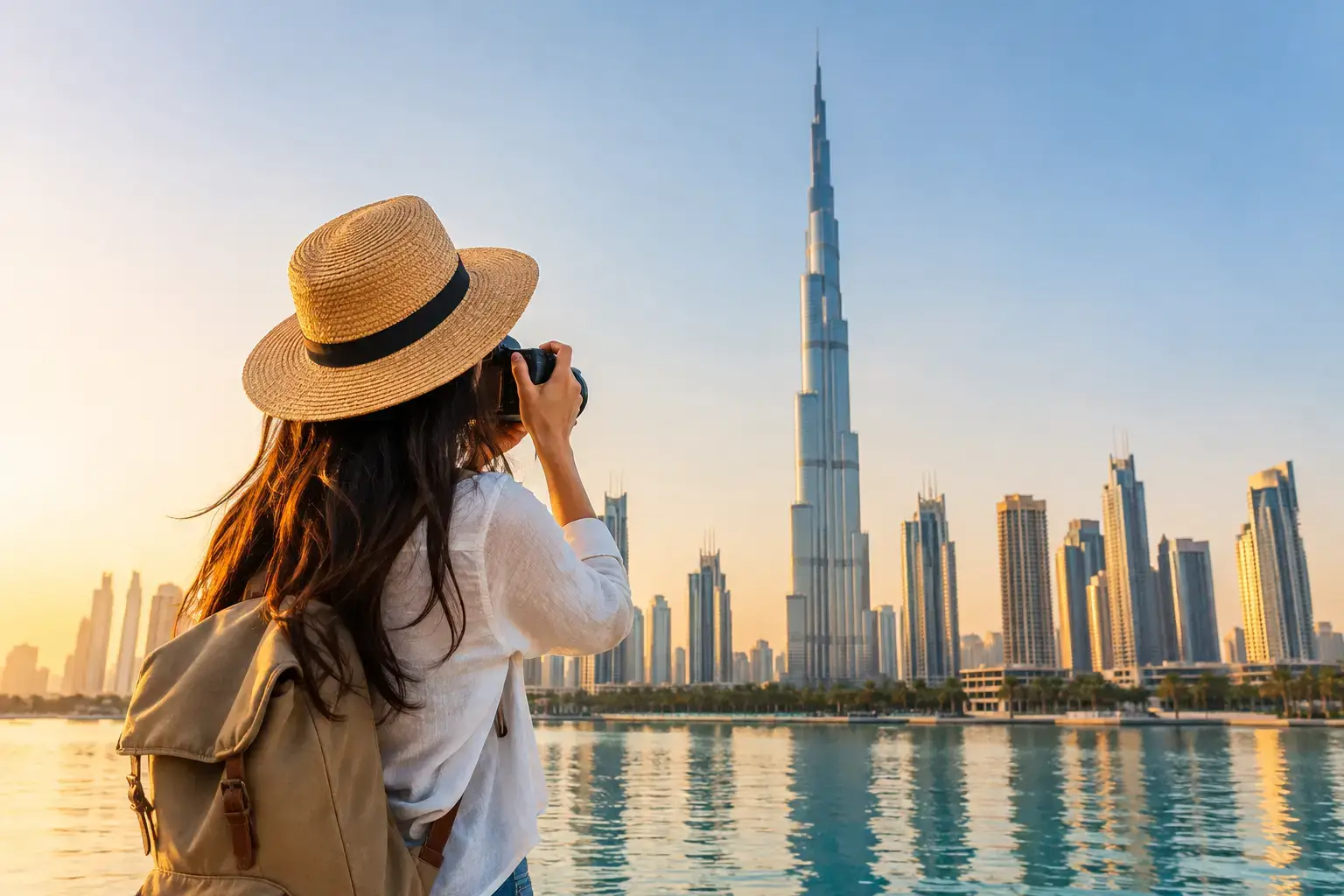
A trip can be perfectly booked and still feel forgettable. The hotel may be beautiful, the flights may run on time, and the itinerary may be full, yet travelers increasingly want more than a list of places to see. Experiential tourism trends are changing that expectation. People want to participate, connect, learn, celebrate, and return home with stories that feel personal rather than prepackaged.
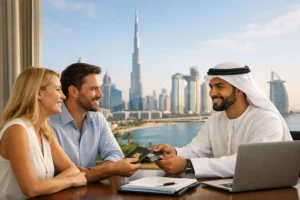
For UAE residents, expatriates, families, couples, and corporate teams, this shift creates exciting possibilities. It also makes planning more detailed. A meaningful experience depends on the right timing, trusted local partners, realistic pacing, and logistics that allow travelers to stay present rather than spend their vacation solving transport, reservations, or entry requirements.
Why Experiential Tourism Trends Matter
Experiential travel is not simply about choosing an activity over a sightseeing tour. It is about designing a journey around interests, emotions, and access. A family may remember preparing a regional dish with a local host more vividly than visiting another landmark. A couple may value a private desert dinner arranged around sunset. A business group may build stronger connections during a thoughtfully designed team challenge than in a standard meeting room.
This does not mean famous attractions no longer matter. They often provide the context that makes a destination recognizable. The difference is how they are woven into the trip. Instead of rushing through five attractions in one day, travelers may choose two and add time for a neighborhood walk, a guided conversation, or a meal that reflects local traditions.
The best itineraries balance structure with space. Too little planning can lead to missed reservations, long waits, and unnecessary stress. Too much scheduling can leave no room for discovery. The right balance depends on the destination, season, traveler profile, and purpose of the journey.
The Experiential Tourism Trends Travelers Are Choosing
Private access with a personal touch
Privacy is becoming a priority for travelers who value comfort, flexibility, and individual attention. Private guides, customized city tours, chauffeur transfers, VIP airport assistance, and tailored dining reservations make it easier to move at the traveler’s own pace.
Private does not always mean extravagant. For a multigenerational family, it can mean avoiding the pressure of a fixed group-tour schedule. For a couple, it can mean arranging a special moment without a crowded setting. For executives, it can mean protecting time between meetings while still experiencing a destination beyond the boardroom.
The trade-off is that private arrangements require early coordination, particularly during peak travel seasons. Availability for respected guides, exclusive venues, and premium accommodations can be limited. Planning ahead gives travelers more choices and a better chance to match the experience to their preferences.
Culture that goes beyond the postcard
Travelers are seeking cultural experiences that feel respectful, informed, and grounded in place. That can include an architecture walk, a heritage-focused guided visit, an artisan workshop, a traditional food experience, or a conversation with a knowledgeable local guide.
The key is depth, not performance. A good cultural experience offers context: why a tradition matters, how a neighborhood developed, what local customs should be observed, and how visitors can participate thoughtfully. This approach is especially valuable for families who want children to stay engaged while learning through real moments rather than long lectures.
Cultural travel also requires care. Not every activity suits every traveler, and not every setting should be treated as a photo opportunity. An experienced planner can help select experiences that fit a guest’s interests while respecting local etiquette and practical requirements.
Wellness designed around the destination
Wellness travel has moved far beyond a spa appointment. Travelers are building trips around rest, movement, nature, sleep, and time away from demanding routines. A wellness-focused itinerary may include a calm beachfront stay, guided outdoor activities, healthy dining choices, a scenic cruise, or simply fewer hotel changes.
For some guests, wellness means a luxury retreat with dedicated treatments and private time. For others, it means a slower family vacation where airport transfers are arranged, bags are handled, and no one needs to spend the evening comparing transport options for the next morning.
The most effective wellness trips are honest about energy levels. A sunrise excursion may be memorable, but not if it follows a late arrival and leaves travelers exhausted for the rest of the day. Thoughtful pacing is part of the experience.
Food as a route into local life
A restaurant reservation is no longer just a practical item on an itinerary. Dining has become one of the strongest ways to understand a destination. Travelers want local flavors, distinctive settings, market visits, chef-led experiences, and tables that feel right for the occasion.
Food experiences work best when they are curated around the traveler. A family may need a relaxed venue with flexible dining times. A couple may prefer an intimate setting with a view. A corporate group may need a private space, reliable service, and a menu that accommodates different dietary needs.
This trend also shows why independent booking can become complicated. Highly requested restaurants may require advance reservations, and the best dining time may need to align with a tour, transfer, show, or flight schedule. Coordination turns a good dinner into an effortless part of the evening.
Nature, adventure, and purposeful escapes
Travelers are increasingly looking for active experiences that reconnect them with the landscape. Desert safaris, mountain routes, marine excursions, wildlife experiences, golf travel, and scenic cruises offer a welcome contrast to screen-heavy daily life.
Adventure should always match the group. A family with young children may prefer a gentle nature experience and a comfortable return transfer. Experienced travelers may want a more active itinerary, while corporate groups may choose outdoor team-building activities that encourage collaboration without excluding less athletic participants.
Comfort still matters. The appeal is not hardship for its own sake. Reliable transport, suitable timing, knowledgeable guides, and clear safety expectations allow guests to enjoy the moment with confidence.
How to Plan for Experiences, Not Just Bookings
The strongest experiential itineraries begin with a few useful questions: What should this trip feel like? Is the priority celebration, reconnection, learning, relaxation, adventure, or business with time to explore? Who is traveling, and what pace will genuinely suit them?
Once those answers are clear, the practical pieces can support the experience. Visa documentation, flights, hotel location, airport meet-and-greet, transfers, attraction timing, restaurant reservations, and guided tours should work together rather than compete for time. A centrally located hotel may be worth considering for a short cultural break, while a resort setting may better suit a longer wellness-focused escape.
It is also wise to protect unplanned time. Leave room for a favorite café discovered during a walk, a longer stop at a museum, or a quiet afternoon by the pool. Travelers do not need every hour filled to feel that a trip was worthwhile. Often, the moments with the most staying power are the ones that did not feel rushed.
For international journeys, documentation and entry planning deserve attention well before departure. Visa processes can vary by nationality and destination, and travelers should avoid making nonrefundable commitments before requirements are understood. Professional support can help streamline the paperwork and keep the wider itinerary organized, without treating visa outcomes as certain.
What This Means for Corporate and Group Travel
Experiential tourism is influencing business travel as well. Corporate guests still need efficient hotel arrangements, meeting support, and dependable transport, but many organizations also want their programs to feel more rewarding. A destination dinner, cultural activity, golf day, or team-building experience can give attendees a reason to engage beyond the agenda.
The challenge is inclusivity. The best group experience is not necessarily the most dramatic one. It is the one that considers different ages, mobility needs, schedules, interests, and comfort levels while still creating a shared memory. Clear coordination is what makes that possible.
A well-designed journey should leave travelers with more than photographs and confirmations. With thoughtful planning and attentive local support, Copa Cabana Tourism helps turn the time between arrival and departure into experiences that feel genuinely their own.