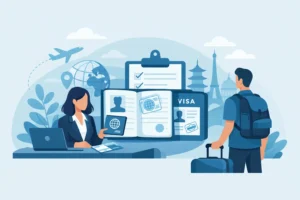
A missing document can turn an exciting departure into a stressful airport conversation. Whether you are planning a family holiday, a luxury escape, a corporate meeting, or a multi-country itinerary, a clear travel documentation checklist gives every part of the journey a place. It helps you prepare for airline check-in, border control, hotel arrival, and unexpected changes without searching through emails at the last minute.
The exact requirements depend on your nationality, destination, transit route, and reason for travel. Start early, verify requirements through official channels, and keep your documents organized in one secure place. A thoughtful file is not just paperwork – it is the foundation of a confident, well-coordinated trip.
Travel Documentation Checklist: Start With Entry Requirements
Your passport is the first document to review. Many destinations require it to remain valid for a certain period beyond your arrival or departure date, often six months, although rules vary. Check that the name, date of birth, passport number, and expiry date are accurate, and make sure there are enough blank pages if your route requires entry or exit stamps.
If a visa is required, begin the application process well before booking nonrefundable arrangements. Visa processing time can vary by destination, season, appointment availability, and the completeness of your application. Approval is always decided by the relevant authority, so accurate forms and supporting documents matter.
Depending on the country and visa type, you may be asked to provide several supporting records:
- A completed visa application and recent photographs that meet the required specification
- Passport copies, prior visas, and residence permit or Emirates ID copies where applicable
- Confirmed or reserved flight details, hotel confirmations, and a day-by-day travel plan
- Bank statements, employment letters, business registration documents, or sponsor information
- Travel insurance evidence and invitation, conference, or family-supporting documents when relevant
Do not assume a visa for one country covers every stop on your itinerary. A transit can have its own rules, especially when you leave the airport, change terminals, collect baggage, or hold a passport that requires a transit visa. Travelers visiting multiple countries should check entry conditions for each destination separately.
Keep Names and Dates Consistent
Small inconsistencies create avoidable delays. The name on your flight booking should match your passport exactly, including middle names when the airline requests them. Review travel dates across your visa application, hotel reservations, insurance certificate, event invitation, and return itinerary.
This is particularly important for Schengen applications, business travel, and group arrangements. If one document shows a different arrival date or an abbreviated name, resolve it before submitting your file. Organized documentation demonstrates that your itinerary is credible, clear, and ready for review.
Build Your Airport and Booking File
Once your entry documents are underway, organize the records you will need from departure through arrival. Airline rules, baggage allowances, online check-in windows, and terminal details can change, so save final confirmations and check them again shortly before you travel.
Your airport file should include your flight confirmation, boarding pass once issued, transfer details, and hotel voucher or reservation number. If you have arranged airport meet-and-greet support, keep the contact name, meeting point, arrival flight number, and local phone number readily available. After a long flight, those details make the transition from terminal to hotel far more comfortable.
For a custom itinerary, keep tour vouchers, attraction tickets, cruise confirmations, restaurant reservations, and private guide details together by date. A simple folder on your phone is useful, but do not rely only on battery life or internet access. Carry printed copies of your critical documents, especially passports, visas, insurance certificates, onward tickets, and the first night’s accommodation details.
It is wise to carry a short emergency information sheet as well. Include the contact details for your travel planner, travel insurer, accommodation, a trusted family member, and your country’s embassy or consular office at the destination. Keep financial account numbers and sensitive passwords off this page.
Insurance, Health, and Special Travel Needs
Travel insurance is more than a formality for a visa application. The right policy can support you if a medical issue, trip interruption, delayed baggage, or other covered event affects your plans. Read the policy terms carefully, including coverage limits, exclusions, geographic scope, emergency-assistance instructions, and the process for making a claim.
Some destinations require proof of specific medical coverage, while others have health declarations, vaccination records, or medication rules. Requirements can change, so check close to departure. If you travel with prescription medication, keep it in its original labeled packaging and bring a doctor’s letter or prescription copy when appropriate. Some medicines that are routine at home are restricted elsewhere.
Families should also review documents for every child traveling. A child needs their own passport, and some countries or airlines may ask for a consent letter when a minor travels with one parent, another relative, or a guardian. Requirements vary, but obtaining the correct authorization before departure is much easier than explaining a missing document at the border.
For travelers who need mobility support, medical equipment, dietary arrangements, or special airline assistance, request these services ahead of time and retain the confirmation. Early coordination gives airlines, hotels, and ground teams time to prepare properly.
Use Digital Copies Carefully
Digital organization is valuable when it is secure. Save password-protected copies of passports, visas, insurance, flight details, and key reservations in a secure cloud folder that you can access from another device. You may also share access with a trusted person at home, particularly for long or complex trips.
However, digital copies are a backup, not a replacement for original documents. A photo of a passport will not normally replace the physical passport at check-in or immigration. Carry originals safely, separate from backup copies, and avoid sending sensitive documents through unsecured public Wi-Fi or unfamiliar devices.
A practical approach is to divide your documents into three groups: originals you must carry, printed backups for your cabin bag, and encrypted digital copies for emergencies. This system reduces the disruption if a bag is delayed or a phone is lost.
Documentation for Business and Group Travel
Business travelers need the same core entry and travel documents, with added attention to the purpose of the visit. Depending on the destination, a conference registration, meeting invitation, company letter, or host contact may support your visa application or entry explanation. Keep a concise schedule of meetings, event locations, hotel details, and local transport arrangements.
For group travel, one person should not be the only holder of essential information. Each traveler should have their own passport, visa, insurance details, flight reference, hotel information, and emergency contact sheet. Group leaders can keep a master itinerary, but individual access prevents unnecessary delays when people arrive at different times or pass through separate checkpoints.
Corporate coordinators should also confirm whether travelers have different nationalities or residency statuses. A single itinerary can create very different visa and transit requirements across the group. Planning for those differences early protects the schedule and creates a smoother guest experience.
Complete a Final 72-Hour Check
Three days before departure, compare every document against your final itinerary. Confirm passport validity, visa status, flights, hotel dates, transfer timing, and travel insurance dates. Review any destination-specific arrival forms or airline travel declarations, as these may be required before boarding.
Then pack your document wallet in your personal item, not checked luggage. Keep it accessible but secure throughout the airport journey. If plans change, update the people meeting you, your hotel, and your travel planner promptly so transfers and reservations can be adjusted where possible.
At Copa Cabana Tourism, visa documentation support, tailored itineraries, airport assistance, and destination services can be coordinated around the way you travel. The value is not simply having reservations in place. It is knowing that each stage of the journey has been considered with care.
A well-prepared document file leaves more room for what travel should feel like: arriving calm, moving with confidence, and giving your full attention to the experiences ahead.