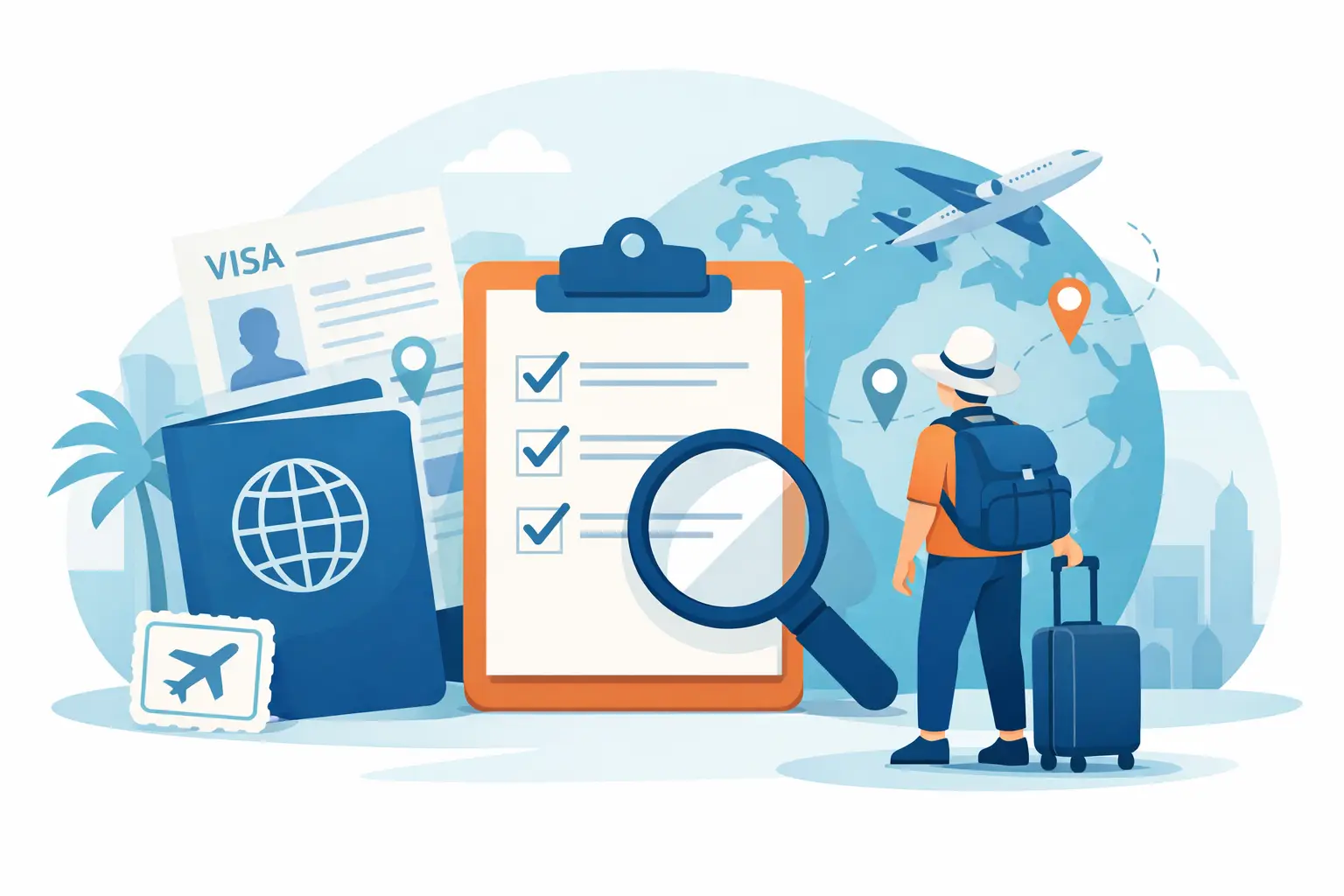
A confirmed flight, a beautiful hotel, and a carefully planned itinerary can still come to a halt if entry requirements are misunderstood. Visa policies are not a minor pre-trip detail. They determine whether you can enter a destination, how long you may stay, what documents you need to present, and sometimes even which airport route makes sense.
For UAE residents planning an international holiday, business trip, family visit, or luxury escape, the smartest travel plans begin with a clear visa check. Requirements can differ sharply between travelers on the same flight, even when they are visiting the same country. Your passport nationality, UAE residency status, purpose of travel, duration of stay, and transit points can all affect the process.
Why Visa Policies Deserve Early Attention
A visa is permission granted by a country for a foreign national to enter, stay, transit, work, study, or conduct a specified activity. Some destinations offer visa-free entry or a visa on arrival for eligible passports. Others require an electronic travel authorization or a stamped visa approved before departure. These categories may sound simple, but the conditions behind them often are not.
For example, a visa-free stay may be limited to tourism only, while a business meeting, short course, or paid assignment requires a different permission. A visa on arrival may still require a return ticket, confirmed accommodation, sufficient funds, travel insurance, or a passport with a specified period of validity. Travelers who assume “no advance visa” means “no documents needed” can face unwelcome questions at check-in or immigration.
Timing matters just as much. Certain applications can be submitted months before departure, while others have narrow filing windows. Processing times are not guarantees. Public holidays, peak travel seasons, additional document requests, and embassy appointment availability can all extend the journey from application to decision.
The Details That Shape Your Visa Eligibility
No single rule applies to every traveler. Before booking nonrefundable arrangements, review the conditions that apply to your specific profile.
Passport nationality and validity
Your passport is the starting point for every visa assessment. A traveler holding one nationality may enter a country without a visa, while a companion with a different passport must apply in advance. Dual nationals should also consider which passport they will use consistently for the application, flight booking, and border entry.
Passport validity is another frequent issue. Many destinations expect a passport to remain valid for several months beyond the planned departure date. Blank visa pages, passport damage, and differences between the name on a passport and the name on travel reservations can also cause avoidable delays.
UAE residency and travel history
For expatriates based in the UAE, a valid residence visa may support an application, but it does not automatically replace the need for a destination visa. Authorities may ask for proof of UAE residence, employment details, salary information, bank statements, and evidence that the applicant has strong reasons to return after the trip.
Previous travel can also be relevant. A well-documented travel history may help demonstrate compliance with earlier visas, while prior refusals, overstays, or immigration violations should be disclosed honestly if the application asks about them. Omitting information can create a larger problem than the original issue.
Purpose, length, and route of travel
Tourism, business, visiting family, medical treatment, study, and transit can each fall under separate visa categories. Selecting the wrong category may lead to a refusal, delayed processing, or difficulties at the border. A weekend conference, for instance, may still require a business visa rather than a tourist visa depending on the destination’s rules.
Your route matters too. A connection through another country can trigger a transit visa requirement, particularly if you need to leave the international transit area, collect checked baggage, change airports, or stay overnight. Travelers should confirm the requirements for every stop, not only their final destination.
Visa Policies Can Change Without Much Notice
Travel rules evolve with diplomatic agreements, security measures, public-health regulations, and immigration priorities. A visa exemption that applied last year may be revised. Electronic authorizations can be introduced for travelers who previously entered visa-free. Required documents, insurance levels, or financial thresholds may also change.
That is why a quick online search from an old travel forum is not a dependable planning method. Check official, current requirements before committing to flights or accommodations, then check again as departure approaches. When an itinerary involves several countries, cruises, or complex connections, leave extra time for verification.
The same caution applies to social media advice. Another traveler’s successful entry is not proof that the same conditions apply to you. Their nationality, residence status, travel purpose, port of entry, and date of travel may be completely different.
Preparing a Strong Visa Application
A well-prepared application tells a clear, consistent story: who you are, why you are traveling, how you will fund the trip, where you will stay, and why you will return at the end of your authorized visit. It is less about submitting a large stack of papers and more about providing the right documents in the correct format.
Most applications commonly ask for a valid passport, photographs meeting stated specifications, completed forms, travel itinerary, hotel confirmation or host invitation, financial documents, and proof of employment or business activity. Depending on the destination, applicants may also need travel insurance, civil-status documents, a no-objection letter, copies of previous visas, or biometrics.
Consistency is essential. Dates on hotel reservations should match the flight itinerary. The stated purpose of travel should align with supporting documents. Bank statements should be current and readable, not edited or incomplete. If a sponsor is funding the trip, the relationship and financial arrangement should be supported clearly.
Avoid buying expensive, nonrefundable tickets solely to satisfy a visa file unless the destination specifically requires confirmed tickets and you understand the risk. A visa decision remains with the relevant authority, and no travel provider can promise approval. Flexible planning protects both your budget and your peace of mind.
Common Mistakes That Disrupt Travel Plans
Many visa problems begin with small assumptions. Applying too late is one of the most common. Even a straightforward application may need more time if an embassy requests an interview, extra documents, or additional checks.
Another mistake is using incomplete or outdated paperwork. A bank statement from the wrong period, a passport photo that does not meet requirements, an expired UAE residence visa, or a missing signature can delay an otherwise eligible application. Travelers also sometimes submit documents in a language that requires certified translation, only to discover the requirement after filing.
It is equally risky to confuse a visa with guaranteed entry. A visa allows you to travel to the border and request admission, but immigration officers make the final entry decision. Carry the documents that support your visit in your hand luggage, including onward travel details, accommodation information, and evidence of funds if required.
When Professional Visa Support Makes Sense
Independent travelers may be comfortable handling a simple electronic authorization. However, professional support becomes especially valuable when the itinerary is time-sensitive, the application is document-heavy, or several travelers are applying together. Families, corporate teams, first-time applicants, and travelers pursuing Schengen visas often benefit from a structured review before submission.
A knowledgeable travel partner can help organize documentation, identify missing items, clarify the appropriate visa category, coordinate appointment requirements, and align the application with flights, hotels, and the broader travel plan. This support does not change an authority’s decision, but it can reduce preventable errors and the stress of managing disconnected arrangements.
For travelers departing from the UAE, Copa Cabana Tourism can coordinate visa assistance alongside tailored itineraries, accommodation, transfers, airport meet-and-greet, and destination experiences. That means the visa process is considered as part of the whole journey, not treated as an afterthought once every other reservation is in place.
Build Flexibility Into Every Journey
The best visa strategy is practical rather than anxious: start early, verify the rules that apply to you, keep documents accurate, and leave room for the unexpected. If a visa is still pending, choose flexible reservations where possible and avoid scheduling critical events immediately after arrival.
Travel should feel like anticipation, not a paperwork race. Give visa policies the same attention you give your destination, and you can spend more energy looking forward to the experiences waiting beyond the airport.